
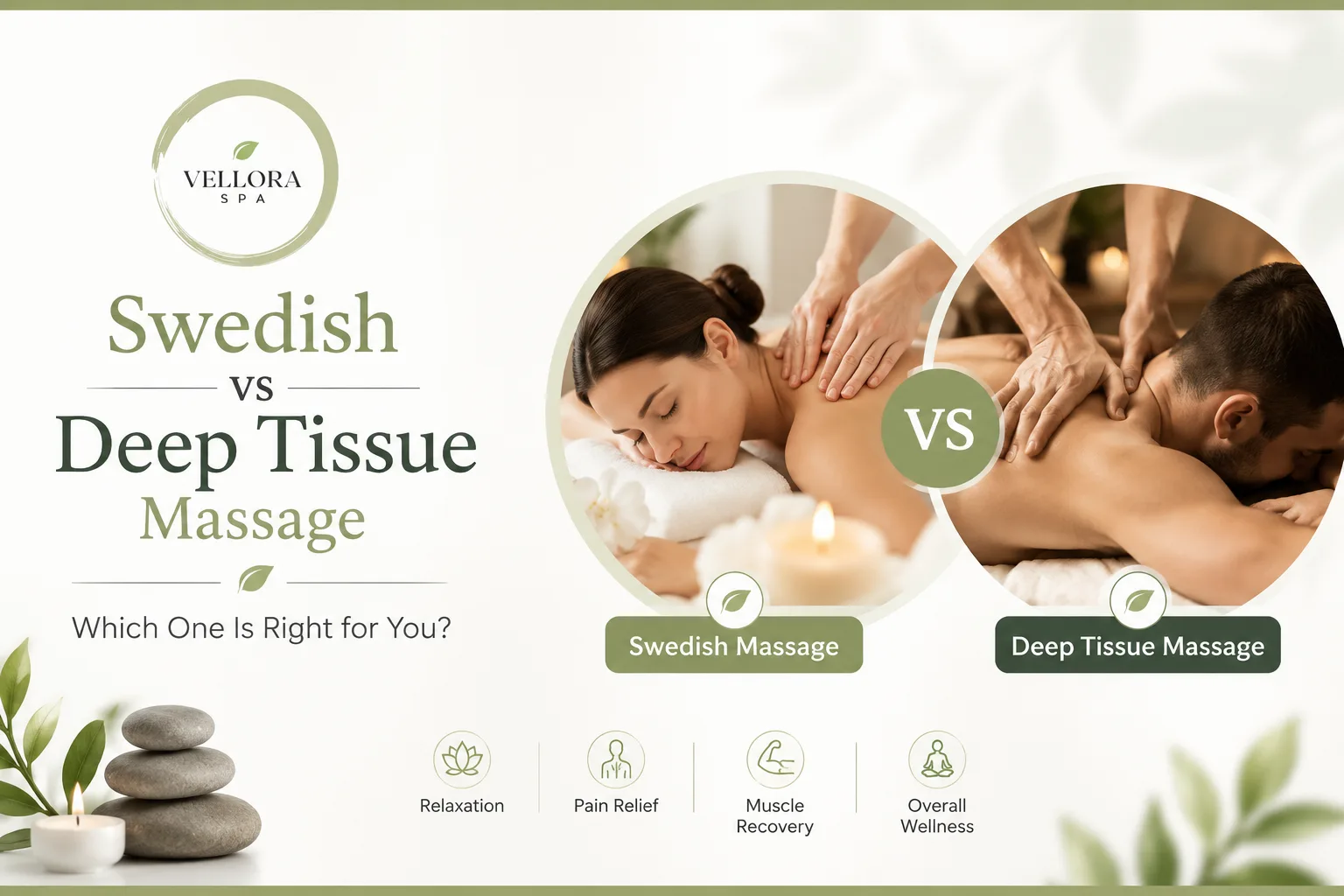
Swedish vs Deep Tissue Massage: Which One Is Right for You?
After a long day at work, sitting in front of a laptop, travelling, exercising, or simply dealing with everyday stress, a good massage can feel like exactly what your body needs. But when you look at a spa menu, you may wonder: Swedish vs Deep Tissue Massage — which one should I choose?
The right option mostly depends on what your body needs that day. If your main goal is to relax and switch off mentally, Swedish massage may be the better choice. If you have stubborn muscle tightness or areas that feel very tense, deep tissue massage may make more sense.
What Is Swedish Massage?
Swedish massage is probably one of the most familiar massage styles. It normally uses long, smooth strokes, kneading, gentle circular movements and rhythmic techniques across the body.
The pressure is usually light to medium, although it can be adjusted depending on your comfort. The overall experience is designed to feel calming rather than intense.
What Is Deep Tissue Massage?
Deep tissue massage is different because the therapist generally uses slower, more focused and firmer pressure to work on deeper layers of muscle and connective tissue.
That doesn’t mean deep tissue massage should always hurt. In fact, very painful pressure isn’t the goal. A good therapist should adjust the pressure according to your tolerance and communicate with you throughout the session.
Swedish vs Deep Tissue Massage: The Main Difference
The easiest way to understand the difference is to think about relaxation versus targeted muscle work.
| Feature | Swedish Massage | Deep Tissue Massage |
| Main purpose | Relaxation and general wellness | Targeted muscle tension |
| Pressure | Light to medium | Medium to firm |
| Massage style | Long, flowing and rhythmic movements | Slow, focused pressure |
| Typical experience | Calm and soothing | More intense and focused |
| Good for | Stress, relaxation and first-time massage | Tight or overworked muscles |
| Body focus | Often full body | Often specific problem areas |
| After-session feeling | Relaxed and refreshed | May feel worked-out or slightly tender |
| Best suited for | People wanting a gentle experience | People wanting more focused muscle work |
There is no universal winner between the two. It depends on your body, your lifestyle and what you want from the session.
Which Massage Is Better for Stress?
If stress is your biggest concern, Swedish massage is usually the more natural choice.
Its slower and smoother movements are designed around relaxation, and massage therapy can help promote a calmer physical and emotional state.
This does not mean deep tissue massage cannot be relaxing. It can still feel very good, particularly when muscle tension is the main source of discomfort.
But if you are looking for a peaceful spa experience where you can simply lie down, breathe and disconnect for a while, Swedish massage is often the easier choice.
Which Massage Is Better for Muscle Tightness?
The therapist can focus on particular muscles and use deeper pressure where needed. However, more pressure is not automatically better. Your therapist should know how to adjust the treatment based on your comfort level.
If something feels sharply painful, tell the therapist. Communication is important during massage, especially when deeper techniques are being used.
Swedish vs Deep Tissue Massage for Different Needs
| Your Main Need | Massage You May Prefer | Why |
| General relaxation | Swedish | Gentle, flowing movements |
| First massage experience | Swedish | Usually less intense |
| Everyday stress | Swedish | Focuses strongly on relaxation |
| Mild body tension | Swedish | Comfortable full-body approach |
| Tight shoulders | Deep Tissue | Can focus on a specific area |
| Overworked muscles | Deep Tissue | More targeted pressure |
| Post-workout muscle tension | Deep Tissue | Can focus on heavily used muscles |
| You dislike strong pressure | Swedish | Generally gentler |
| You want focused bodywork | Deep Tissue | More concentrated treatment |
Can You Combine Swedish and Deep Tissue Massage?
Yes, depending on the therapist and the spa’s services, a massage session can sometimes include elements of both approaches.
For example, a therapist might begin with lighter Swedish-style movements to warm up the muscles and then spend more time using focused pressure around areas of tension.
This can be a useful option when you want both relaxation and targeted work. The exact treatment should be discussed with the therapist before the session.
What Should You Tell Your Massage Therapist?
Before your massage begins, don’t be shy about explaining what you want.
Tell the therapist if you have a particular area that feels tight, whether you prefer light or firm pressure, and if there are areas you do not want massaged.
During the session, you can also ask for a pressure change. There is no prize for tolerating unnecessary pain.
A professional massage should be adjusted to your comfort and individual needs. Cleveland Clinic also recommends communicating if the pressure feels too deep or uncomfortable.
Conclusion
The Swedish vs Deep Tissue Massage debate is not really about which massage is better. It is about which massage is better for you right now.
Some days your body needs a gentle, relaxing treatment. Other days, you may want more focused attention on tired and tight muscles.
Swedish massage offers a softer and more relaxing experience, while deep tissue massage takes a more targeted approach to deeper muscle tension. Both can be useful when performed appropriately by a trained professional.
So before booking your next massage, ask yourself one simple question: Do I want to relax, or do I want focused muscle work?
FAQs
1. Is Swedish massage better than deep tissue massage?
Neither is automatically better. Swedish massage is generally better suited to relaxation and gentle full-body work, while deep tissue massage may be preferred for focused muscle tightness.
2. Is deep tissue massage supposed to hurt?
Deep tissue massage can feel intense, but it should not be unbearably painful. Tell your therapist if the pressure feels too strong so they can adjust it.
3. Which massage is better for beginners?
Swedish massage is often a good choice for beginners because it generally uses gentler pressure and focuses on relaxation.
4. How often should I get a massage?
There is no single schedule that works for everyone. Frequency depends on your goals, lifestyle and individual circumstances. If you are using massage for a specific pain or health issue, speak with a qualified healthcare professional.
5. Can I ask for lighter or stronger pressure during a massage?
Absolutely. You should communicate with your therapist about pressure throughout the session. The massage should feel comfortable and appropriately tailored to you, not like something you have to silently tolerate.
