
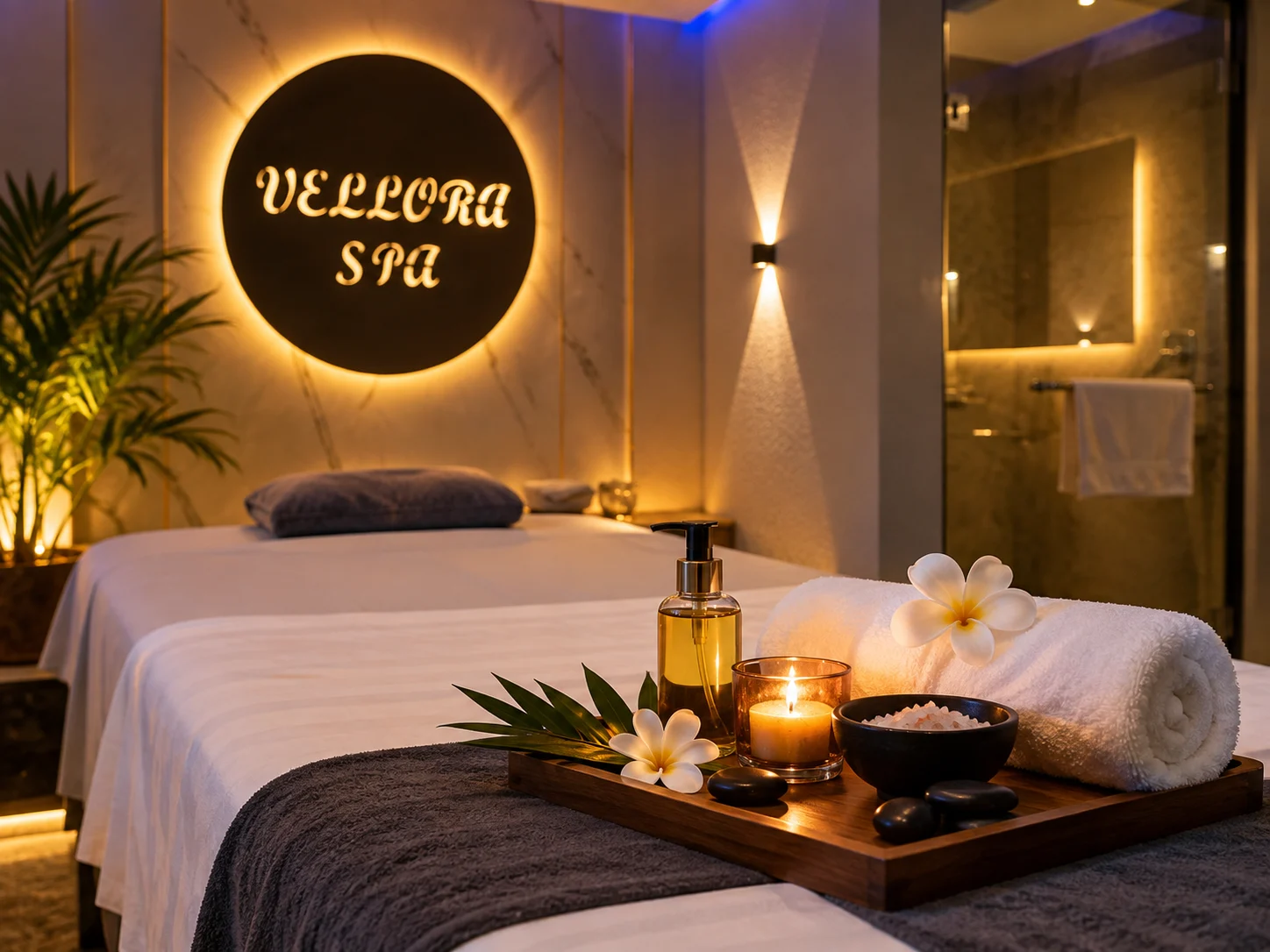
How to Prepare for a Spa Treatment
A spa visit can be a great way to take a break from a busy routine. But if it is your first time in Spa Treatment Preparation. , you may wonder what to do before your appointment, what to wear, whether you should eat beforehand, or how to choose the right treatment.
Knowing How to Prepare for a Spa Treatment can make the whole experience more comfortable and relaxing. A little preparation can also help you communicate your preferences clearly and get more from your time at the spa.
Why Is Preparation Important Before a Spa Treatment Preparation ?
You don’t need to do anything complicated before visiting a spa. However, understanding the treatment and preparing yourself can make your visit smoother.
Before your appointment, think about what you actually want from the experience.
| Your Goal | Treatment Consideration |
| Relaxation | Gentle or relaxing massage |
| Tired muscles | Massage with suitable pressure |
| Quiet me-time | A peaceful spa experience |
| Couple time | Couple spa or couple massage |
| First spa visit | Gentle treatment with consultation |
| Wellness routine | Treatment based on your personal preference |
The right choice depends on your comfort, preferences and the type of service offered by the spa.
1. Choose the Right Spa Treatment
One of the first steps in How to Prepare for a Spa Treatment is understanding what treatment you are booking.
Spas can offer different experiences, including Swedish massage, deep tissue massage, aromatherapy massage, Balinese massage, Thai massage, body treatments and other wellness services.
If you are unsure, ask the spa team about the treatment before booking. You can explain whether you are looking mainly for relaxation or have a particular preference for pressure, fragrance or treatment style.
2. Book Your Appointment in Advance
Try not to plan your spa visit at the last minute, especially if you want a specific treatment or time.
Booking in advance gives you time to ask questions about the treatment, duration, preparation and any other requirements.
3. Avoid Arriving in a Hurry
Try to reach the spa a little before your appointment instead of arriving exactly at the scheduled time.
Arriving early gives you a few quiet minutes to settle down, complete any required information and discuss your preferences with the therapist.
You don’t want to enter the treatment room already stressed because you were rushing through traffic.
A relaxed beginning can make the entire spa experience feel better.
4. Wear Comfortable Clothing
Comfortable clothing is usually a practical choice when visiting a spa.
Depending on the treatment, you may change into spa clothing or be asked to undress only as much as necessary. You should always be able to choose what makes you comfortable.
For massage therapy, Mayo Clinic notes that people may wear loose clothing or undress only to the point they feel comfortable; clients are generally covered with a sheet during the treatment.
5. Don’t Eat a Very Heavy Meal Before Your Treatment
Having a very heavy meal immediately before a massage or spa treatment may make you feel uncomfortable.
Instead, give yourself enough time after a meal before starting your treatment. If you are hungry, a light meal or snack can be more comfortable for many people.
You should also stay reasonably hydrated throughout your day.
7. Share Important Health Information
Before a massage, let the therapist know about relevant health conditions, injuries, allergies, medications or recent procedures when applicable.
NCCIH also advises people with health conditions or special circumstances to discuss whether massage is appropriate with their healthcare provider.
If you are unsure whether a particular treatment is suitable for you, ask before booking.
8. Keep Your Phone Away During the Treatment
One of the simplest ways to enjoy a spa visit is to disconnect for a while.
Constant notifications, calls and messages can make it difficult to relax.
Unless you are expecting an important call, consider putting your phone on silent or keeping it away during your treatment.
What Should First-Time Spa Visitors Remember for Spa Treatment Preparation?
The most important thing is that you don’t need to know everything before your first visit.
A professional spa team can explain the treatment and answer your questions. Your job is simply to communicate clearly and let them know what makes you comfortable.
Massage therapy is generally considered low-risk when performed appropriately by a trained professional, although certain health conditions can require precautions.
Conclusion
Learning How to Prepare for a Spa Treatment doesn’t require a complicated routine. Choose a treatment that suits your preferences, book ahead, arrive comfortably, communicate with your therapist and give yourself enough time to enjoy the experience.
Most importantly, don’t feel pressured to tolerate something that makes you uncomfortable. A relaxing spa experience should include communication, privacy and respect for your personal comfort.
Whether you are visiting alone, planning a couple massage or simply taking some much-needed me-time, a little preparation can help you enjoy the experience much more.
FQA related to Spa Treatment Preparation
1. How should I prepare for my first spa treatment?
Start by choosing a treatment that suits your needs, booking in advance and arriving a little early. Wear comfortable clothing and tell your therapist about your preferences and any relevant health information.
2. What should I wear to a spa?
Comfortable, loose-fitting clothing is generally a practical choice. Depending on the treatment, the spa may provide appropriate clothing or coverings. You should only undress to a level that feels comfortable for you.
3. Can I eat before a spa treatment?
Yes, but avoid arriving immediately after a very heavy meal if it makes you uncomfortable. A light meal or snack may be easier before your appointment.
4. Should I tell my therapist about my health conditions?
Yes. Share relevant health conditions, allergies, injuries, medications or recent procedures. Some conditions may require special precautions or professional medical advice before massage.
5. What if the massage pressure feels too strong?
Tell your therapist immediately. Pressure can often be adjusted according to your comfort. You should not feel that you need to tolerate severe pain during a massage.
