
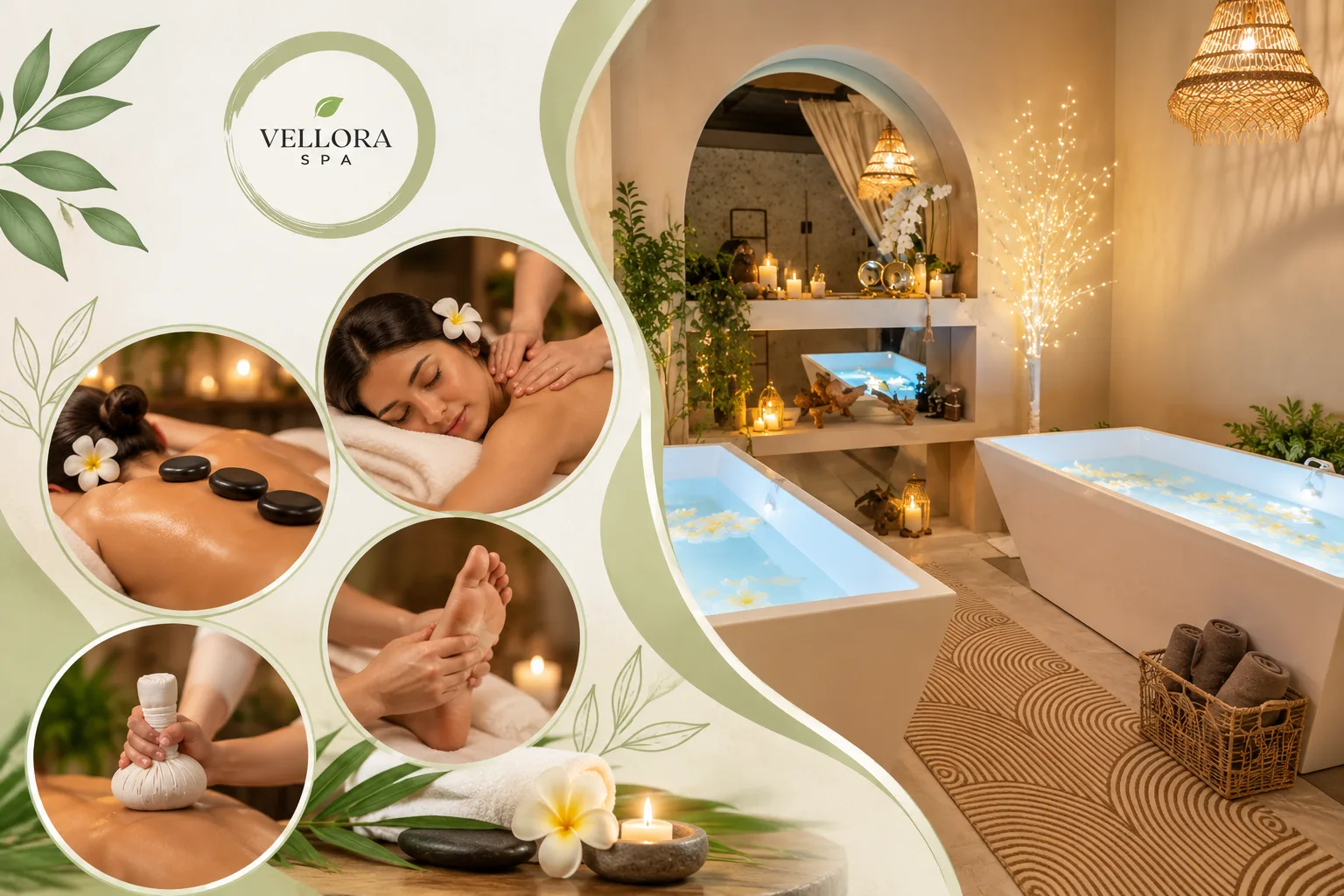
Different Types of Massage Therapy Explained
Massage therapy is not just one type of treatment. There are many styles of massage, and each one uses different techniques, pressure levels and movements. Some are mainly used for relaxation, while others focus more on muscle tension, flexibility or specific areas of the body. Understanding the Different Types of Massage Therapy can help you choose an experience that matches your comfort level and personal goals.
What Is Massage Therapy?
Massage therapy is a hands-on approach where a trained practitioner works with the body’s soft tissues, including muscles, tendons, ligaments and fascia. Different techniques can involve rubbing, kneading and applying varying levels of pressure.
Why Are There Different Types of Massage Therapy?
A person who wants a gentle and calming experience may prefer Swedish massage, while someone who regularly exercises might be interested in sports massage. Another person may prefer traditional techniques such as Thai massage.
The main differences usually involve pressure, movement, technique, focus area and overall experience.
| Massage Type | General Style | Often Chosen For |
| Swedish Massage | Gentle to moderate | Relaxation and general wellness |
| Deep Tissue Massage | Firmer pressure | Muscle tension |
| Thai Massage | Stretching and pressure techniques | Flexibility and relaxation |
| Balinese Massage | Massage with flowing techniques | Relaxation |
| Aromatherapy Massage | Massage with aromatic oils | Relaxation and sensory experience |
| Sports Massage | Targeted techniques | Active people and recovery routines |
| Hot Stone Massage | Warm stones with massage | Relaxation and comfort |
| Shiatsu | Pressure-based technique | Relaxation and body awareness |
| Reflexology | Pressure on feet/hands | Relaxation and wellness |
These descriptions are general. The exact techniques can vary between practitioners and providers.
1. Swedish Massage
Swedish massage is one of the most commonly known massage styles. NCCIH describes Swedish or classical massage as the most common form of massage therapy in Western countries and notes that it forms the basis of many massage training programs.
It can be a comfortable option for someone who is new to massage and wants a more relaxing experience.
2. Deep Tissue Massage
Deep tissue massage usually involves firmer and more focused pressure than a typical relaxation massage.
Communication is very important. You should tell the therapist if the pressure feels uncomfortable or painful.
Deep tissue and other vigorous massage techniques may carry more risk for certain people, so people with specific medical conditions should seek appropriate professional advice first.
3. Thai Massage
Thai massage comes from traditional Thai wellness practices and is quite different from a typical oil massage.
It may involve pressure techniques and assisted stretching, with the person often remaining clothed. The experience can feel more active because the body is moved through different positions.
People who enjoy stretching and a more interactive massage experience may find Thai massage interesting.
4. Balinese Massage
Balinese massage is inspired by traditional Indonesian massage practices. It commonly combines flowing massage movements with pressure techniques.
The experience is often designed around relaxation and creating a calm atmosphere.
Because massage techniques can differ between practitioners, it is useful to ask what a particular spa includes in its Balinese massage before booking.
5. Aromatherapy Massage
Aromatherapy massage combines massage with aromatic oils or scents.
If you are sensitive to fragrances or have allergies, let the therapist know before the session. Mayo Clinic specifically recommends telling the therapist about allergies or sensitivity to scents when oils or lotions are being used.
6. Sports Massage
Sports massage is generally designed around the needs of physically active people.
It can involve more targeted work on areas that receive regular physical stress. Athletes and people who exercise frequently may choose this type of massage as part of their recovery routine.
However, sports massage should not be confused with medical treatment for an injury. If you have an injury or persistent pain, professional medical advice may be appropriate.
What Should You Tell Your Massage Therapist?
Before starting, mention your preferred pressure level and any areas you want the therapist to focus on. Also mention relevant health conditions, allergies, injuries or medications when appropriate.
During the massage, speak up if something feels too strong. A massage should not cause severe pain, and Mayo Clinic recommends asking for lighter pressure if needed.
You should also feel comfortable discussing boundaries and asking questions before the treatment begins.
Is Massage Therapy Safe?
Massage therapy is generally considered low risk when performed appropriately by a trained practitioner, but it is not suitable for every person or every situation. Rare serious complications have been reported, particularly with vigorous massage.
People with certain conditions, those taking blood-thinning medication, people with recent injuries or blood clots, and some pregnant individuals may need special precautions or medical advice before massage.
What Should You Expect During a Massage?
A typical massage session starts with a short conversation about your goals and health history. The therapist then explains the treatment and helps you get comfortable.
During the session, the therapist may adjust pressure depending on your needs. Sessions can vary in length; Mayo Clinic notes that massage sessions may range from around 15 to 90 minutes.
Conclusion
There are many Different Types of Massage Therapy, and each style offers a different experience. Swedish massage may suit someone looking for gentle relaxation, while deep tissue may appeal to someone who prefers more focused pressure. Thai, Balinese, aromatherapy, sports, hot stone and other styles provide additional options.
The important thing is not to choose a massage simply because it sounds popular. Consider what you actually want from the experience, communicate clearly with your therapist and choose a trained professional.
FAQ
1. What are the Different Types of Massage Therapy?
Common types include Swedish, deep tissue, Thai, Balinese, aromatherapy, sports, hot stone, Shiatsu and reflexology. Techniques can vary between practitioners.
2. Which massage is best for beginners?
Swedish massage is often a comfortable starting point because it generally uses flowing movements and light-to-moderate pressure. However, individual preferences are different.
3. What is the difference between Swedish and deep tissue massage?
Swedish massage generally focuses on flowing, relaxing techniques, while deep tissue massage uses firmer and more focused pressure.
4. Can I ask for lighter pressure during a massage?
Yes. Communication is important throughout the session. If the pressure feels uncomfortable, tell your therapist so they can adjust it.
5. How do I choose the right massage?
Think about your main goal, preferred pressure, comfort level and any health considerations. You can also ask the therapist to explain the treatment before starting.
